
EQF LEVEL 4
Personal Training
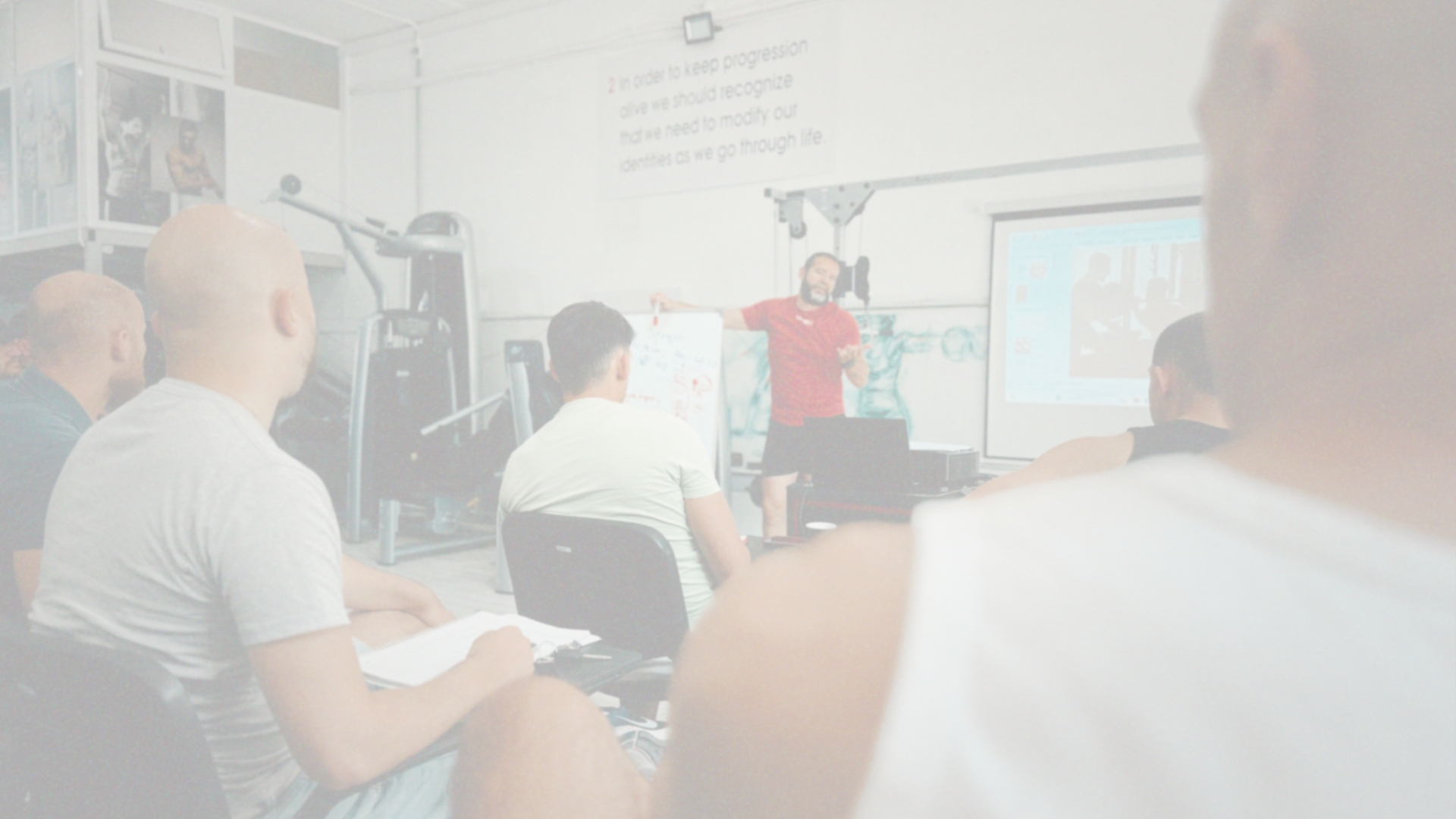
This award combines theoretical knowledge with hands-on practical learning to develop advanced skills relevant to the fitness industry. Through practical sessions in well-equipped gym facilities and supervised placements allocated by the institution, learners will apply their knowledge to real-world scenarios, developing practical skills. The programme also covers professional practice, communication, motivation, and nutrition for performance and recovery.

Course Details
- Target Candidates
-
Individuals looking to advance their education and expertise in the fitness industry. For those who want to build on their existing knowledge, develop more advanced and practical skills, and gain a higher-level certification through a more hands-on, application-focused approach. Suitable for those seeking professional development or deeper personal knowledge in fitness, in Malta and across Europe.
- Duration
- 12-14 weeks
- ECTS
- 6
- Mode of Attendance
- Part time - Saturdays afternoon
- Mode of Delivery
- Face to face learning
- Entry Requirements
- Successful completion of the MF Academy EQF Level 3 Award in Basic Principles for Fitness Instruction; or EQF Level 3 qualification or equivalent (O’Level standard passes) in Maltese, English, Mathematics, and Science.
- Assessment Type
- Individual assignment
- Pass Rate
- 55%
- Structure of Attendance
- 1 session weekly
- Grading System
- Pass or Fail
- Awarding Body
- MF Academy
- Delivery Language
- Maltese and English
- Location
- Mqabba
- Mode of Teaching, Learning and Assessment
- Face-to-face lectures / workshops / placements. Individual assignment assessment.
- Remaining Spots for Upcoming Intake
- October 2026
- Registration Method
-
Forward your I.D card and C.V. to academy@mariano.club, and we will get back to you as soon as possible. Check out the FAQs page for more details.
- Third Country Nationals
-
VISA requirement for third country nationals: https://www.identitymalta.com/unit/central-visa-unit/
Programme Fees
€400 registration/deposit,
€1550 commencement payment.
Total €1950
This course, together with the level 3, are already in the process of being added to the GET QUALIFIED refund scheme approved list by Malta Enterprise.
Course Overview
Principles of Exercise Prescription & Nutrition for Athletic Performance
Competences: – at the end of the module/unit the learner will have acquired the responsibility and autonomy to:
- Design and manage individualised exercise plans, ensuring they comply with safety standards and guidelines.
- Supervise and monitor clients during exercise sessions, ensuring correct technique and adherence to prescribed plans.
- Advise clients on realistic fitness goals based on thorough assessment and negotiation of their individual’s needs.
- Ensure comprehensive fitness plans that integrate medical considerations and align with overall health objectives.
- Provide basic nutritional guidance to support athletic performance and recovery within the scope of practice.
Knowledge – at the end of the module/unit the learner will have been exposed to the following:
- Define key exercise physiology principles and describe their relevance in designing effective exercise plans.
- Identify and categorise various components of fitness, such as cardiovascular endurance, muscular strength, flexibility and body composition.
- Compile a list of principles of training adaption and explain how each principles influences exercise plans design and client progression.
- Recall and recite safety guidelines and considerations necessary for prescribing exercises to diverse populations, including special considerations for older adults and individuals with chronic conditions.
- Sequence exercise progression and regression techniques based on client capabilities and goals, demonstrating an understanding of gradual intensity adjustment and modification.
- Define macronutrients (carbohydrates, proteins and fats) and their basic roles in athletic performance and recovery
- Describe the fundamental hydration strategies for athletes.
Skills – at the end of the module/unit the learner will have acquired the following skills:
- Apply exercise physiology principles and client assessments to design personalised exercise plans tailored to specific fitness goals and health conditions.
- Practice and demonstrate correct exercise techniques and modifications for various fitness levels and abilities, ensuring sage and effective client participation.
- Plan and conduct fitness assessments, including cardiovascular endurance, muscular strength, flexibility, and body composition measurements, to inform exercise prescription.
- Create and apply strategies for progressively increasing exercise intensity and regressing exercises as needed based on client feedback, ensuring continual adaptation and improvement.
- Safety protocols and guidelines when supervising exercise sessions, ensuring the safety and wellbeing of clients during exercise prescription and instruction.
- Provide basic nutritional recommendations to support athletic performance and recovery, including guidance on macronutrient intake and hydration strategies
5 contact hours, 5 placement/practice hours, 14 self study hours, 1 assessment hour. Total:25 learning hours
Anatomy and Physiology for Fitness Professionals
Competences: – at the end of the module/unit the learner will have acquired the responsibility and autonomy to:
- Ensure a comprehensive understanding of human anatomy, enabling them to effectively explain anatomical structures and functions to clients during fitness assessments and exercise instruction.
- Monitor and interpret physiological response to exercise, applying this knowledge to adjust training plans and ensure optimal performance and health outcomes for clients.
- Monitor and interpret physiological responses to exercise, applying this knowledge to adjust training programs and ensure optimal performance and health outcomes for clients.
- Collaborate with healthcare professionals to integrate anatomical and physiological insights into holistic fitness plans, fostering interdisciplinary approaches to client well-being and fitness achievement.
Knowledge – at the end of the module/unit the learner will have been exposed to the following:
- Describe the anatomical structures and physiological functions of the musculoskeletal system, including bones, joints, muscles, and their roles in movement and stability.
- Identify and explain the major organs of the cardiovascular system, such as the heart, blood vessels, and lungs, and describe their function in delivering oxygen and nutrients during exercise.
- Recall and differentiate between the anaerobic and aerobic energy systems, explaining how each contributes to energy production during different intensities and durations of exercise
- Name and describe the components of the respiratory system, including the lungs, diaphragm, and respiratory muscles, and explain their roles in gas exchange and oxygen delivery to tissues during exercise.
- Sequence the process of digestion and nutrient utilisation, describing how nutrients are broken down, absorbed, and utilised to support energy production and muscle function during physical activity.
Skills – at the end of the module/unit the learner will have acquired the following skills:
- Apply knowledge of muscle anatomy to correctly demonstrate exercise techniques, ensuring optimal muscle activation and client safety.
- Plan and design individualised exercise programs based on their understanding of anatomical variations and physiological responses, catering to specific client needs and goals.
- Operate and utilise fitness assessment equipment effectively to measure and evaluate physiological parameters such as heart rate, blood pressure, and body composition, ensuring accurate data collection for plan design.
- Prepare and present educational materials on anatomy and physiology topics relevant to fitness training, demonstrating effective communication skills and enhancing client understanding of exercise principles.
- Create and implement bio-mechanically sound exercise modifications for clients with specific anatomical considerations or limitations, ensuring exercises are safe, effective, and aligned with individual capabilities.
5 contact hours, 5 placement/practice hours, 14 self study hours, 1 assessment hour. Total:25 learning hours
Fitness Testing and Plan Design
- Competences: – at the end of the module/unit the learner will have acquired the responsibility and autonomy to:
- Describe the key components and methodologies used in comprehensive fitness assessments, including cardiovascular endurance, muscular strength and endurance, flexibility, and body composition.
- Identify and explain normative data and benchmarks used in fitness assessments, enabling them to interpret client results and set appropriate fitness goals.
- List and explain the principles of exercise prescription, including specificity, overload, progression, and individualisation, to design effective and safe exercise plan.
- Recall and differentiate methods for assessing cardiovascular fitness, such as VO2 max testing, submaximal tests, and heart rate monitoring, and their applications in fitness testing.
- Steps involved in designing a personalised fitness plan, from initial assessment through program development, to ongoing evaluation and modification.
- Describe periodisation strategies, including macrocycles, mesocycles, and microcycles, and explain how they are applied to optimise training adaptations and prevent plateauing in fitness plans.
Skills – at the end of the module/unit the learner will have acquired the following skills:
- Plan, design, and conduct comprehensive fitness assessments using appropriate protocols, and equipment, demonstrating proficiency in data collection and analysis.
- Create personalised exercise programs based on fitness assessment results, incorporating principles of exercise prescription to optimise client-specific goals and needs.
- Operate and utilise various fitness assessment equipment effectively and safely, ensuring accurate measurements and data collection during fitness testing.
- Prepare and deliver clear and comprehensive fitness plans to clients, including exercise routines, progression strategies, and nutritional recommendations, demonstrating effective communication and motivational skills.
- Evaluate client progress and modify fitness plans as needed based on ongoing assessment results and client feedback, ensuring continuous improvement and adaptation to changing fitness levels and goals.
5 contact hours, 5 placement/practice hours, 14 self study hours, 1 assessment hour. Total:25 learning hours
Exercise Instruction and Coaching
Competences: – at the end of the module/unit the learner will have acquired the responsibility and autonomy to:
- Supervise and monitor exercise sessions effectively, ensuring clients adhere to proper technique and safety guidelines.
- Advise clients on correct exercise technique and form, providing clear demonstrations and instructions to optimise exercise effectiveness and minimise injury risk.
- Create personalised exercise programs and adapt them based on client progress, goals, and feedback, demonstrating autonomy and responsibility in program design and implementation.
- Collaborate with clients to set realistic fitness goals, provide ongoing guidance and support, and empower clients to achieve their desired outcomes through effective coaching and motivation.
Knowledge – at the end of the module/unit the learner will have been exposed to the following:
- Describe the bio-mechanical principles underlying effective exercise technique, including leverage, force application, and joint mechanics.
- Identify major muscle groups, their anatomical locations, and their functions during exercise movements.
- List and explain different exercise modalities, including resistance training, cardiovascular training, flexibility exercises, and functional movement patterns.
- Recall and recite safety guidelines and risk management strategies relevant to exercise instruction, ensuring client safety during exercise sessions.
- Sequence the steps involved in progressing exercise intensity and complexity, ensuring gradual adaptation and avoiding overtraining or injury.
- Describe motivational techniques and coaching strategies used to enhance client adherence and performance in exercise plans.
10contact hours, 10 placement/practice hours, 28 self study hours, 2 assessment hour. Total:50 learning hours
Professional Practice and Ethics in Fitness
Competences: – at the end of the module/unit the learner will have acquired the responsibility and autonomy to:
- Ensure compliance with legal regulations and ethical standards governing the fitness industry, demonstrating responsibility and accountability in professional practice.
- Advise clients on ethical considerations related to fitness programs, confidentiality, informed consent, and professional boundaries, ensuring ethical conduct in client interactions.
- Manage professional relationships with clients, colleagues, and stakeholders in the fitness industry, fostering collaboration, trust, and effective communication.
- Create and implement ethical guidelines and policies for fitness practices, ensuring fair treatment of clients and maintaining integrity within professional settings.
Knowledge – at the end of the module/unit the learner will have been exposed to the following:
- Define and describe professional standards and ethical guidelines relevant to the fitness industry, including codes of conduct, scope of practice, and legal responsibilities.
- Identify and explain legal considerations specific to fitness professionals, such as liability, negligence, contracts, and employment laws.
- List and discuss ethical principles governing client relations in fitness, including confidentiality, consent, professionalism and cultural sensitivity.
- Recall and recite industry regulations and compliance requirements for fitness facilities and professionals, ensuring adherence to standards and practices.
- Describe strategies for conflict resolution and negotiation in fitness setting, emphasising communication skills, mediation techniques and ethical decision-making.
- Explain the importance of continuing professional (CPD) in maintaining competency, staying updated with industry trends, and enhancing ethical practice in fitness.
Skills – at the end of the module/unit the learner will have acquired the following skills:
- Apply ethical principles to conduct client consultations, demonstrating empathy, confidentiality, and respect for client autonomy.
- Demonstrate legal compliance in designing fitness programs, ensuring adherence to safety regulations, liability considerations, and contractual obligations.
- Plan and implement ethical decision-making processes in resolving professional dilemmas, considering stakeholder perspectives and ethical guidelines.
- Create and present professional documentation, including client contracts, informed consent forms, and health assessment records, ensuring clarity and legal validity.
- Operate within their scope of practice, demonstrating competence in recognizing and referring clients for issues beyond their expertise, while maintaining professional boundaries.
- Collaborate effectively with multidisciplinary teams, integrating diverse perspectives to promote holistic client care and ethical practice in fitness settings.
5 contact hours, 5 placement/practice hours, 14 self study hours, 1 assessment hour. Total:25 learning hours
Get Qualified
Get Qualified is an initiative that supports the personal development of individuals for the achievement of qualifications and certifications required by the industry. The incentive is applicable to individuals following a course of studies leading to a certification, diploma, degree, or post-graduate degree courses.
This course is in the process to be added to the approved list.
More information here.



Why MF Academy?
Choose MF Academy for accredited fitness education backed by 18+ years of industry experience. Learn from professional practitioners and educators, gain MQF/EQF-recognised qualifications, and benefit from up to 50–70% refund through the Get Qualified scheme.

Trusted Industry Expertise
Over 18 years of hands-on experience.

Nationally & Internationally Recognised
Malta Qualifications Framework (MQF) and the European Qualifications Framework (EQF).

Learn from Practitioners
Be mentored by experienced fitness professionals and educators who bring real-world expertise into the room.